
REVIEWS AND MEDIA
“A chilling work, The Here Now Project captures the effects of climate change in a visceral way.”
Creating a sense of shared community through tragedy, The Here Now Project makes it clear we each bear responsibility in making meaningful change. While there is plenty of environmental destruction on display, there are also many examples of humans coming together in times of need. By eliminating the political rhetoric and calculated news punditry that often stifles any forward movement on the climate crisis front, Jacobs and Siskel’s film emphasize that we can no longer treat the issue like it is the monster in the closet and say it doesn’t exist.
A pulsing and terrifying look at what will become of the world if we do not collectively act, The Here Now Project serves as an urgent reminder that Mother Nature will no longer allow us to sit idly and record from the sidelines.”
—Courtney Small, POV Magazine
“A mesmerizing and unforgettable doc!”
—Gilbert Seah, Afrotoronto
“A very strong film about climate change.”
—Volkmar Richter, Canada's National Observer
“An undeniably
powerful statement.”
—Kim Hughes, Original Cin
“Extraordinary”
—Giorgia Marino, Renewable Matter
“An urgent, engrossing and highly effective
eco-doc unlike any other.”
—Vickie, Moviepie
“An impressive mapping of climate change”
—Giuseppe Gariazzo, Il Manifesto
“...a cohesive, real-life portrait of a changing climate.”
–John Corrado,
The Joy of Movies
“Masterfully edited…An eye-opening experience.”
—Jason Karpf, Video Librarian
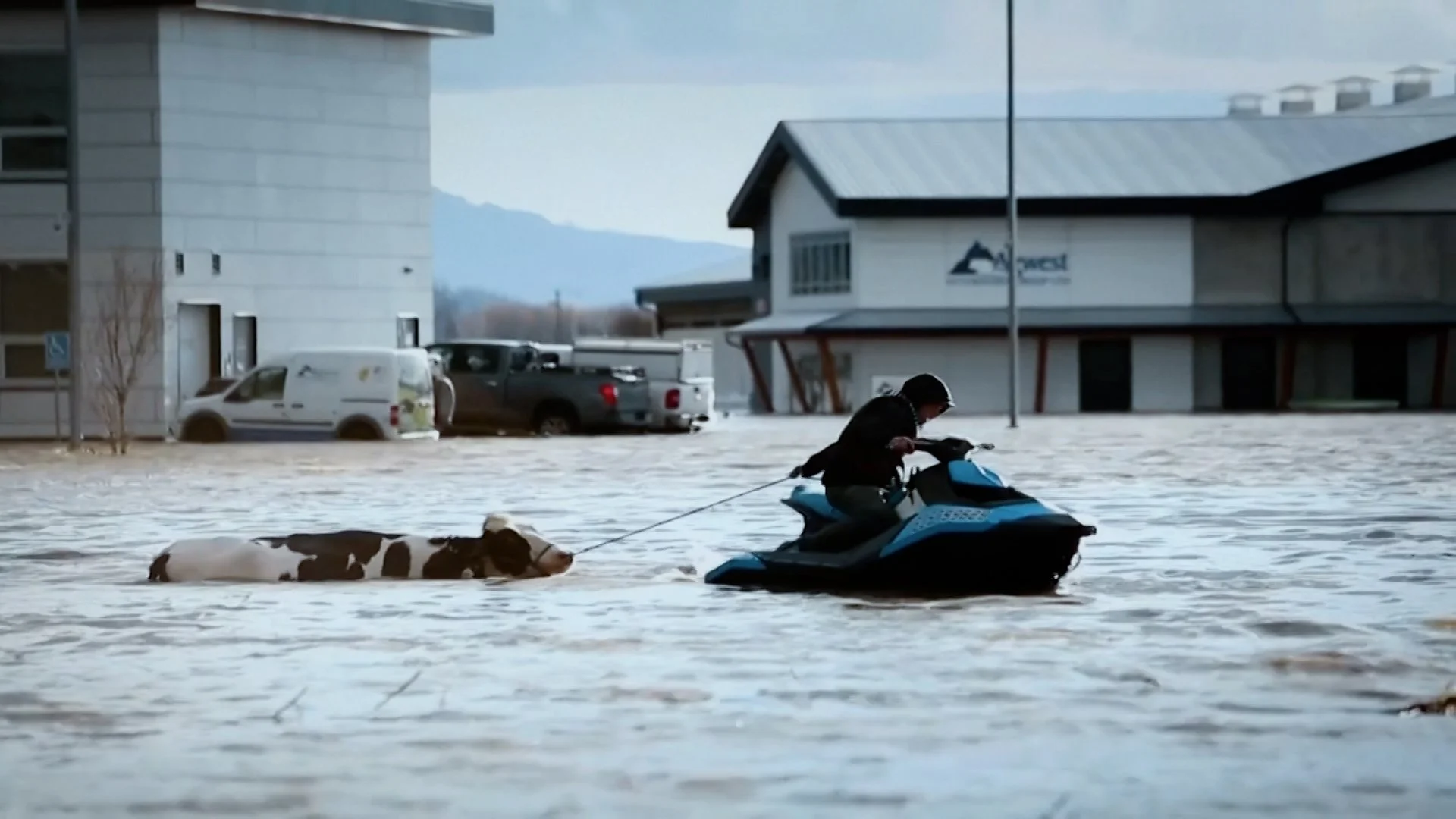
“What emerges is more than an assembly of clips, but a larger picture of a world in crisis told by the people forced to live through them without much advanced warning. A lot of the subjects providing footage for The Here Now Project were caught unaware, but when placed together in close proximity, these videos provide a stark alarm bell worth heeding.”
—Andrew Parker, The Gate
“Riveting…there is something about the collected aspect of all these experiences that hammers home both the scale and the on-the-ground reality of the situation. It’s shaky, unpolished and mesmerizing, often mere steps from total disaster, and very much on the frontlines.”
—Dorothy Woodend, The Tyee
“By piecing together footage without commentary, Here Now simply shows the incredible devastation of climate change as it wreaks havoc upon our world. However, at the same time, Here Now also seems to carry with it a sense of hope. Despite the tremendous odds against us, the film’s structure does seem to remind the viewer that humanity is connected.”
—Steve Norton, Screenfish
"Powerful...a film rooted in human experiences of climate change that is equally compelling for what it doesn’t do as for what it does.‘The Here Now Project’ may persuade even climate skeptics.”
—John Christman,
U.S. Catholic
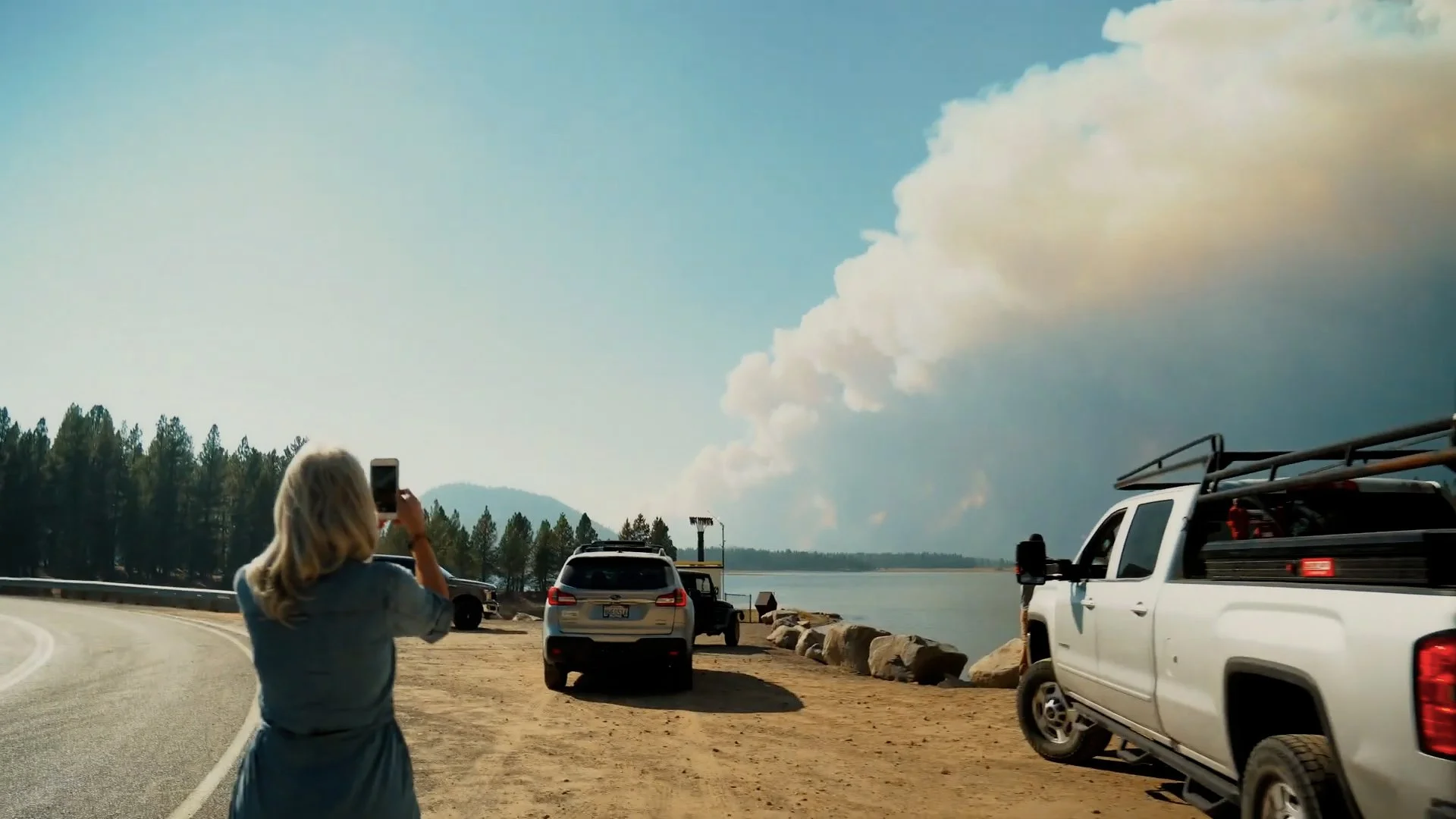
“Last weekend, I attended the U.S. premiere of The Here Now Project at the inaugural Climate Film Festival—and was totally wowed.
“The 75-minute documentary is unnarrated and composed entirely of archival cell phone videos, vlogs, and news clips that were shot during climate disasters in 2021, ranging from the Texas power crisis that left almost 250 people dead after a February cold snap to the “sea snot” that covered Turkey’s Sea of Marmara over that summer.
While it’s harrowing to see all the footage back-to-back — and to learn about disasters I hadn’t paid close attention to at the time, like the subway flooding in Zhengzhou or the dust storms in Brazil — I was even more struck by the seemingly universal urge people have to document the way extreme weather upends their lives, even when those lives are quite immediately at risk.
The movie’s power lies in echoes and patterns of human nature, from our curiosity to our horror to our powerful compassion and self-sacrifice. I spoke to the filmmakers, Greg Jacobs and Jon Siskel, for my article about the Climate Film Festival last week, and Jacobs told me they hope to make The Here Now Project an ongoing chronicle of climate change in the style of Michael Apted’s famous Up series; I very much hope they will succeed.”
—Jeva Lange, Heatmap